Do you want to better understand who you are as a professional and how it impacts your results? Tracking insights about your profile is the first step to making strategic decisions in your business or career.

Social Guru
Trek Mobi Connect
Continuous data collection and analysis of your behavior, performance, and personal characteristics provides a clear view of your real potential.When you can visualize patterns in your data, you can identify growth opportunities that previously went unnoticed and implement concrete improvements in different areas of your professional life.
Why Tracking Insights About Your Profile Is Essential
In the digital age, data is the new gold.You constantly generate information through your online activities, professional interactions and consumer behaviors, but few to analyze what this information reveals. Tracking insights about your profile allows you to know yourself objectively and based on facts, not just intuitions or assumptions.
When you have access to a deep analysis of your profile, you can identify your strengths, weaknesses, opportunities and threats accurately. This data-driven self-sabotage eliminates personal biases and offers a genuine perspective on who you are, how you work and what your real impact is on the people around you.
Also, regularly tracking these insights creates a track record that allows you to track your evolution over time. You can see concrete progress, measure the return on personal development investments, and validate which strategies really work for you. This continuous measurement is what sets growing professionals apart from just trying to improve without ever knowing if they are on the right track.
How to Extract Meaningful Insights About Your Profile
The first step is to define which dimensions of your profile you want to track. You can focus on professional skills, behavioral characteristics, productivity patterns, quality of relationships, or even consumer trends and personal preferences.The more specific you are in this definition, the more actionable the insights you extract later.
Once you have defined the dimensions, you need to establish reliable data sources. This can include formal assessments such as internationally recognized personality tests, peer and supervisor feedback, performance analyses on tools you use daily, or even health and wellness data that impacts your performance.The combination of multiple sources creates a more complete and accurate picture of your actual profile.
You can't just gather information and put it aside; you need to take the time to examine the patterns, correlations, and trends that emerge from numbers. For example, you may find that your productivity drops significantly after long meetings, or that your creativity flourishes at certain times of the day.
Finally, you should document all these insights in an organized way. Use charts, written summaries, visual dashboards or any other format that facilitates quick consultation.The more accessible you make this information, the more likely you are to use them in daily decision making and keep the habit of active follow-up.
Real Benefits of Tracking Insights About Your Profile
One of the most immediate benefits is increased data-driven self-confidence.When you can demonstrate through concrete metrics and analysis that you are improving in a given area, your confidence comes not from pure hope, but from tangible evidence. Professionals who regularly track your insights report a significant increase in their safety when making decisions, as they know on what basis they are supporting their choices.
Another crucial benefit is the ability to personalize your professional development. Instead of following generic training programs that may not make sense to you, you can direct your efforts to the areas where you really need to grow. If insights show that your verbal communication skill is strong but your writing is weak, you know exactly where to invest time and resources.
You also gain a significant competitive advantage in the job market.When you know your deep profile, you can position yourself better, choose opportunities that really align with your strengths and avoid situations where your weaknesses will be constantly exposed. Professionals who follow insights about your profile can negotiate better positions, salaries and projects because they understand exactly what your real value is.
Improvement in professional relationships is another documented practical outcome.When you understand your own behavior through data insights, you can better communicate with your colleagues about your preferences, limitations, and strength.You can explain why you work best in certain circumstances and request these conditions clearly and justifiedly.
In addition, tracking insights creates a sense of personal responsibility. You can not ignore data that show areas for improvement, as they are there, visible and undeniable. This responsibility motivates more lasting behavioral changes than simple resolutions or vague goals. Many professionals find that just having this data visible already leads them to make better decisions automatically.
Practical Examples of Measurable Results
Consider the example of a manager who begins to track insights into his leadership profile. Through structured feedback and performance analysis of his team, he finds that his style is very focused on results, but lacks empathy in interactions. With this information at hand, he can work specifically on this gap, receive targeted training and track improvement through satisfaction surveys with his team. After six months, he notes that talent retention in his team has risen from 70% to 90%, and productivity has increased by 25%.
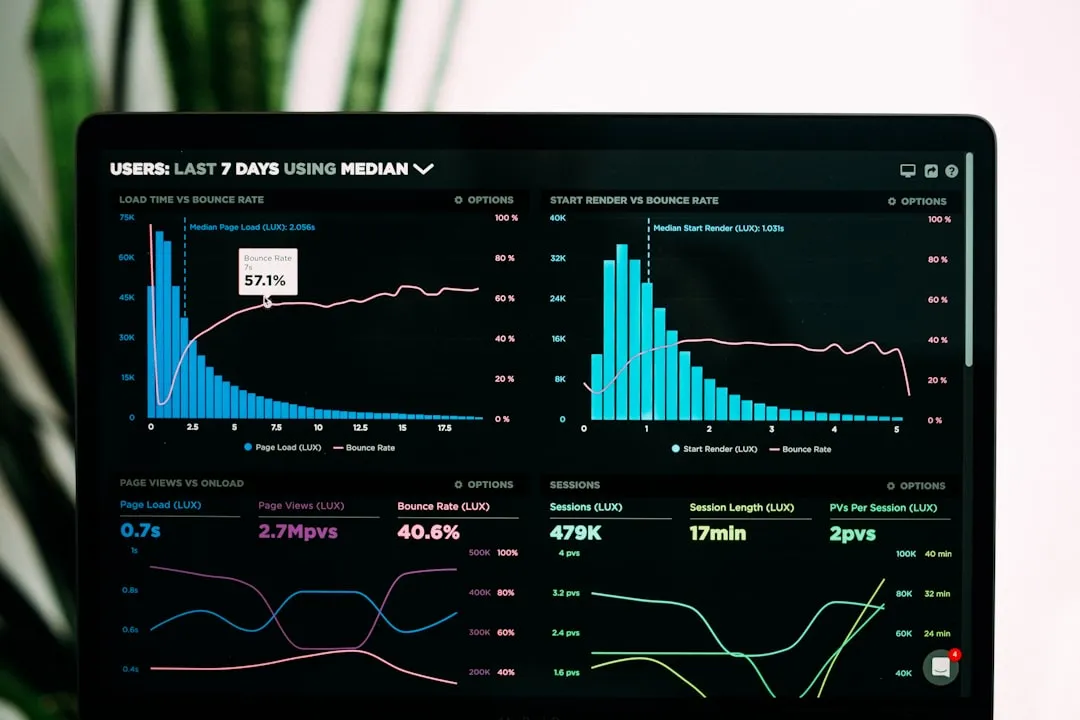
Another practical example involves a self-employed professional who starts tracking insights into his work habits patterns.He tracks when he works, how long it takes for different types of tasks and when he makes more mistakes.The data reveals that he is more productive and accurate when working in 90-minute blocks with 15 minutes of pause, and that his afternoons are significantly less efficient. With this information, he rearranges his schedule, protecting his morning periods for critical work. As a result, his delivery speed increases 40% and the error rate drops by half.
A third example involves a professional who wants to improve her presence in professional networks. She begins to follow insights on what types of content generate more engagement with her audience, what is the best time to post and what tone of voice her followers prefer. With this information, she adjusts her communication strategy. In three months, her reach quadruples and she receives multiple partnership opportunities that would not appear before if it was not visible and aligned with what her audience seeks.
These examples are not fictitious; they represent patterns that consistently appear when professionals begin to track insights about their profile in a systematic way. The key is that results come from data-driven action, not just from data collection itself. Insights are tools; their application is what turns numbers into measurable results.
How to Maintain Consistency in Follow-up
A common challenge is to maintain regularity in collecting and analyzing data about your profile. You can start with enthusiasm, but then abandon the practice when life gets busy. To avoid this, integrate insight tracking into your existing routines. If you already have a weekly meeting with your boss, take 10 minutes to review your insights.If you use a productivity app, set up automatic alerts to review your data monthly.
Choose tools that track as automatically as possible. Instead of manually tracking each metric, use apps and platforms that automatically collect data and generate reports without additional effort.When the process is frictionless, you can maintain consistency with much less willpower.Many of these tools also send reminders and notifications that keep the topic fresh in your mind.
You can do a quick review weekly to check for immediate trends, but dedicate a monthly or quarterly time for a more thorough analysis where you identify long-term patterns and plan adjustments.
Share your insights with a mentor, coach, or trusted colleague.This person can help you identify patterns you yourself would not see, offer different perspectives, and hold you accountable to keep up. The simple act of having to explain your data to someone else forces a level of clarity that facilitates action.
Turning Insights into Concrete Actions
Having insights is only half the battle; the other half is converting that information into real behavioral changes.When your data shows a gap or opportunity, you need to create a specific action plan.Instead of a vague resolution like "need to improve my communication", your insights may reveal that you need to specifically improve your active listening in meetings.
Set up small experiments based on your insights. If you find that your creativity is greater in certain circumstances, try replicating these circumstances more often and measuring the impact.If your data shows that you procrastinate on certain activities, test different approach strategies and track which one works best for you.
Communicate your findings strategically. If you are a manager and your insights show that you improve team performance when you offer autonomy but maintain clear goals, share this with your leadership for support. If you are a salesperson and find that some types of customers are much more likely to close with you, communicate this to your manager so that he can direct you to the right opportunities.The more people around you understand your insights, the more they can support you.
Finally, celebrate the changes you can implement based on your insights. When you track your data and see concrete improvements resulting from your actions, this creates a positive cycle of motivation.You are not just pursuing abstract goals; you are experiencing the tangible improvement that comes from a data-driven approach to personal and professional development.
The Future of Profile Monitoring
As technology evolves, the tools available to track insights about your profile become more sophisticated and accessible. Artificial intelligence and machine learning can identify patterns in your data that would be impossible for a human to detect manually. Algorithms can predict future trends based on past behaviors, giving you an even greater advantage in decision making.
Modern platforms integrate data from multiple sources and offer a holistic view of your profile. You can connect productivity, health, relationships and financial performance data into a single dashboard, understanding how all these dimensions relate to and affect each other. This integration offers much richer and more actionable insights than any single analysis could provide.
You now have the opportunity to be at the forefront of this trend by implementing practices to track insights about your profile when they are still relatively new and disadopted by many competitors. Professionals who start now will have a significant advantage in a few years, when these practices become standard in the industry. The time to start is now, while you can still stand out for your methodical and data-driven approach to personal and professional development.